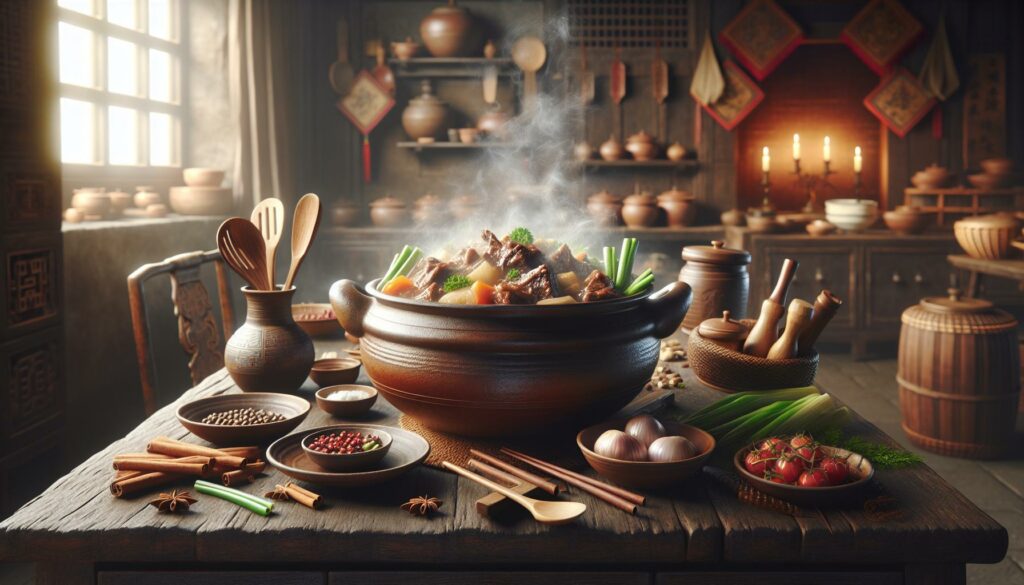
Chinese Cooking Techniques: Mastering the Art of Flavor
Are you ready to unleash your inner culinary wizard? If your cooking game could use a serious upgrade, look no further than Chinese cooking techniques. Not only do these methods pack a punch, but they also unlock a whole world of flavors right in your kitchen. It’s like opening a treasure chest filled with delicious possibilities. Whether you’re aiming for crispy textures or nutrient-packed meals, we’ve got you covered. Let’s jump into the mouthwatering realm of Chinese culinary traditions and learn how we can elevate our home cooking to new heights.
Overview of Chinese Cooking Techniques
Chinese cuisine boasts various cooking techniques, each with unique approaches and flavors. From the quick sizzle of stir-frying to the gentle steam of dumplings, these methods reflect centuries of tradition. Emphasizing fresh ingredients, balanced flavors, and healthy cooking, we find a beautiful blend of taste and nutrition in these techniques. Each method brings out different aspects of the food, allowing us to appreciate the sheer artistry of Chinese cooking.
Stir-Frying: A Quick and Versatile Method
Let’s kick things off with stir-frying. This technique is not only a staple in Chinese kitchens but has also become popular worldwide. Why? Because it’s fast, versatile, and packed with flavor. We heat a little oil in a wok, toss in our favorite proteins and vegetables, and voilà. In just a few minutes, we have a delicious meal ready to savor. The key is to use high heat and continuous motion, ensuring our ingredients cook evenly and retain their vibrant colors. Plus, it’s an excellent way to get those pesky veggies in our diet. Stir-frying isn’t just about speed: it’s about balance, with each bite offering a harmony of flavors.
Steaming: Preserving Flavor and Nutrients
Next up is steaming, an incredible method for preserving flavor and nutrients. When we think about steaming, we often picture delicate dumplings or luscious fish fillets. The beauty of this technique lies in its simplicity. Using a bamboo steamer or a metal one, we create a gentle cooking environment. The food cooks evenly while keeping all those delicious juices intact. This method is particularly prized in Chinese cuisine, where we can elevate a dish’s essence without losing its natural flavors. It’s healthy, quick, and oh-so-satisfying.
Braising: Slow Cooking for Depth of Flavor
Now, let’s talk about braising. This technique may take a bit more time, but the results are worth every minute. Braising combines cooking methods, first browning the food and then cooking it slowly in a flavorful liquid. We often use tougher cuts of meat, which transform into succulent bites of goodness after hours of gentle cooking. As the flavors mingle, we create rich sauces that tantalize the palate. Think of classic dishes like braised pork belly or soy sauce chicken: these are perfect examples of how braising introduces depth into our meals.
Deep-Frying: Achieving Crispy Textures
Who doesn’t love a good crunch? Deep-frying is the next technique we’re exploring, and it’s all about achieving that perfect crispy texture. When done right, deep-fried foods can be unbelievably delicious. In Chinese cooking, we often batter and fry items like spring rolls or crispy chicken. The secret lies in the temperature of the oil, which should be around 350°F (about 180°C). This ensures a golden exterior while keeping the inside tender and juicy. Just remember, less is more: overcrowding the pan can lead to soggy results. With the right approach, deep-frying becomes a magical experience.
Roasting: Infusing Rich Flavors
Finally, we have roasting, a technique that gives dishes a lovely caramelization and rich flavors. Whether roasting meats or vegetables, this method highlights the natural sweetness of our ingredients. In Chinese cuisine, roasted duck is a celebrated dish, famous for its crispy skin and succulent meat. When we roast, it’s all about allowing the heat to work its magic, developing those deep, hearty flavors. It’s an effortless yet sophisticated way to prepare a meal that can impress anyone at the dinner table.